
I recently read a Food Network article suggesting that the next trip we take should be a wellness vacation.
The numbers caught my attention. More than four in ten high-income travellers took a wellness trip in 2025, and 58% had one planned for 2026. Wellness travel is clearly no longer a small corner of the travel industry.
What interested me more, though, was the question underneath it:
What should a wellness vacation actually give you?
I have worked in travel for more than 35 years, and I have watched the reasons people travel change considerably.
There will always be a place for the holiday where the only objective is to enjoy yourself. A beautiful hotel, good food, time with people you care about and a few days without looking at your calendar can be exactly what you need.
But I am increasingly meeting people who want something more from their time away.
They want to come home knowing more than they knew when they left.
Feeling better is a good start
The Food Network article describes wellness travellers as sharing a fairly simple objective: they want to come home feeling better than when they left. It also points to a broader shift away from wellness trips built only around spas or short-term fixes, towards travel that can incorporate movement, food, education, nature and time to recover.
I agree with that, but I would take it further.
Feeling better for a week is useful. Understanding something about yourself that influences what you do for the next year is considerably more valuable.
That might mean finally having the comprehensive health assessment you have been putting off. It could mean learning that your strength, nutrition or sleep need more attention. It might simply mean realising that the pace you have accepted as normal no longer feels particularly normal when you step outside it.
This is one reason I think Thailand is so interesting in the wellness conversation.
Health does not have to become the entire purpose of the trip.
It can be part of a much broader experience.

I do not believe wellness needs to fill every hour
I have seen wellness programmes where the schedule begins early in the morning and continues almost without interruption until dinner.
There is a consultation, followed by movement, a treatment, lunch, another treatment, a class, meditation and something else before bed.
Some people enjoy that structure.
Others arrive already exhausted from managing demanding careers, businesses and families, only to discover that they have replaced one tightly managed schedule with another.
I prefer the idea of having just enough.
You might have a health assessment and time with a physician one day, followed by tennis, swimming or a long walk the next. You might spend an afternoon exploring Bangkok, have dinner somewhere memorable or simply leave a morning open because you do not feel like doing anything at all.
That space matters.
If the purpose is to reconsider how you are taking care of yourself, there needs to be enough room to notice how you actually feel.
Thailand allows health and life to sit beside each other
This is one of the differences I have come to appreciate after spending considerable time on the ground.
Bangkok can give someone access to executive health screening, diagnostics and specialists, while still allowing them to return to a good hotel, have dinner with friends, walk through a market or spend the next day exploring the city.
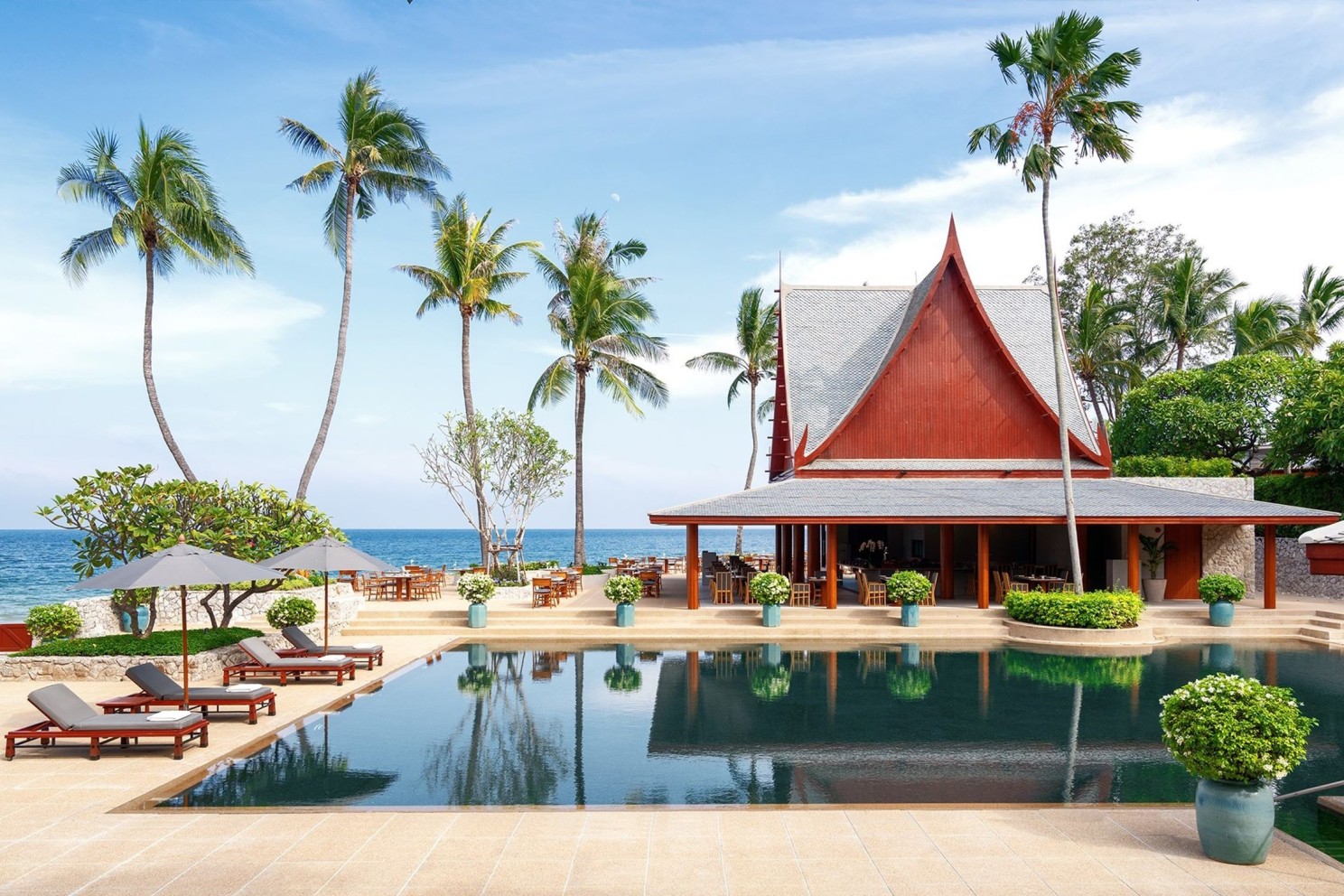
Hua Hin can make more sense when strength, golf, tennis or active conditioning are priorities.
Phuket brings coastal living, movement, wellness and hospitality into a very different environment.
Chiang Mai offers another pace entirely, particularly for someone who wants nature, quiet and more time to recover.
I do not believe a client needs to experience all of them.
The location should follow the reason for the trip, not the other way around.
We have now seen this with our own clients
This became particularly clear to me after our recent Living Labs programme in Thailand.
The feedback was remarkably consistent in one respect. The participants did not identify a spa treatment, hotel or single activity as the reason the experience worked.
They talked about the combination.
Health, culture and lifestyle belonged in the same week.
The executive health screening at Bumrungrad was particularly meaningful for several participants. For some, it became one of the most useful things they had done for their health in years.
But their memories of Thailand were not confined to the hospital.
They also talked about the food, cultural experiences, hotels, conversations, the kindness of the people they encountered and the feeling that the logistics around them had been taken care of.
That distinction matters to me.
If you travel for your health, you are still travelling.
You should still experience the place.
A wellness trip should also respect what happens afterwards
This is something we learned from the same programme.
A health assessment may give you information, but information only becomes useful when you understand what to do with it.
Several participants returned home making changes to how they ate, exercised and followed up on their health. They also told us that stronger post-trip support would make the experience more useful.
I agree.
The return home should not be where the wellness experience simply stops.
Clients need their results, clear next steps, appropriate follow-up with their own professionals and enough information to make decisions without feeling dependent on the trip itself.
That is an area we are continuing to refine within Living Labs.
More is not necessarily better
We learned something else from our first programme.
Pacing matters.
Two of the participants who completed the longer Bangkok and Phuket programme said they would have preferred fewer moves and more unscheduled time.
I think they are right.
There is a temptation in travel to justify the experience by adding more. Another hotel. Another city. Another treatment. Another dinner. Another activity.
That is not always better.
If someone is travelling because they want to think about their health or how they want to live, they may need fewer transitions rather than more of them.
The next versions of our programmes will reflect that.
This is one reason I find the wellness travel conversation interesting. It is forcing the industry to reconsider what value actually means.
Sometimes value comes from access.
Sometimes it is expertise.
Sometimes it is knowing the right people.
And sometimes it is simply having enough time left in the day to do nothing.
The real measure comes after you go home
I am less interested in whether someone had a perfect week than I am in what happened because of that week.
Did you learn something about your health?
Did you change anything once you returned home?
Did you start exercising again?
Did you follow up with the specialist you had been avoiding?
Did you rethink how much rest you actually need?
Did you begin considering whether you want to spend more time somewhere that supports the way you want to live?
Those questions are more interesting to me than how many treatments were included in the itinerary.
A wellness vacation should certainly leave you feeling better.
I think it should also leave you knowing something you did not know before you went.
And ideally, that knowledge should still matter long after the suitcase has been unpacked.
Lauren Chiang is the Founder & CEO of My Global Life, a luxury lifestyle, travel and real estate company focused on Thailand and Southeast Asia.
Through MGL, I work with private clients and selected partners across health and wellness, medical travel, active living, extended stays and lifestyle exploration. My recommendations are informed by more than 35 years in travel and by first-hand evaluation on the ground.
My Global Life Travel · Lifestyle · Health & Wellness · Real Estate